The key idea
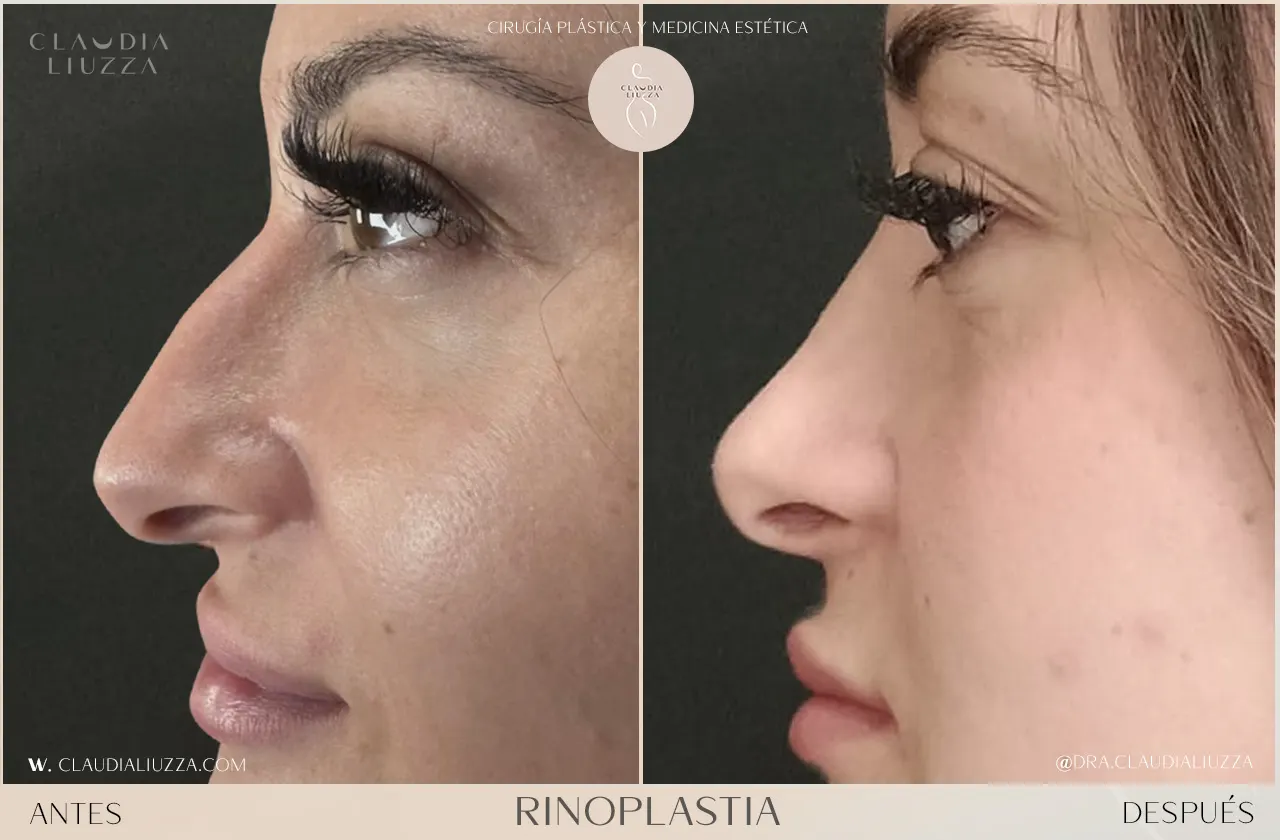
Ultrasonic rhinoplasty is not a "better nose" by itself. It is a more precise way of working on certain bony structures. When properly indicated, it can help reduce unnecessary trauma to the tissues and make recovery more predictable.
- It can provide greater precision when working on the nasal bone.
- It does not replace the surgeon's judgement or anatomical planning.
- The goal remains the same: facial harmony and preserved breathing function.
What exactly is ultrasonic rhinoplasty
Instead of using more traumatic manoeuvres on the nasal bone, ultrasonic rhinoplasty uses piezoelectric instruments to sculpt or reshape structures with greater control. This allows the surgeon to be more selective in certain surgical steps and to preserve more of the surrounding tissue.
In patient-friendly terms: it does not mean an "easy" surgery, it means a potentially more precise surgery when the anatomy and the aesthetic goal justify it.
Who it usually makes the most sense for
It tends to be particularly useful when the bony dorsum needs precise work, when certain areas need narrowing or smoothing, and when additional trauma should be minimised. It can also help patients who prioritise an easier return to social life, always without promising unrealistic recoveries.
Not every rhinoplasty needs exactly the same strategy. In some cases the key lies more in the cartilage, tip, septum or functional support than in the bone.
The common mistake
Choosing the technique before choosing the surgeon. The right order is the reverse: first the diagnosis, then the surgical plan, and only then the appropriate instruments.
What may change during recovery
When the bone work is done in a more controlled way, many patients report less bruising, less swelling around the eyes and a more manageable postoperative period. Even so, it is still real surgery: there will be a splint, swelling, follow-up visits and a result that matures over months.
If someone promises you a recovery "with no downtime", they are oversimplifying. It is reasonable to expect 7 to 14 days before you feel socially presentable and several months before you can judge the result properly.
What you should ask at a serious consultation
- Which part of your case depends on bone, cartilage and septum.
- What improvement is realistic and what anatomical limits exist.
- How your breathing function will be protected.
- What swelling timelines and follow-up visits you should expect.
- What would happen if your anatomy does not need an ultrasonic approach.
"The question is not which technique sounds better, but what my case needs"
During the consultation, Dr. Liuzza assesses nasal structure, facial harmony, expectations and whether the ultrasonic technique genuinely makes sense for your case before recommending it.
Frequently asked questions
Does ultrasonic rhinoplasty cause less bruising?
Is it better for everyone?
Will I see the result straight away?
How long does the postoperative period last?
Sources and references
- Rhinoplasty — MedlinePlus, U.S. National Library of Medicine
- Nose reshaping (rhinoplasty) — NHS
- Rhinoplasty — American Society of Plastic Surgeons

This content is for information purposes only and does not replace an individual medical assessment. To find out whether this procedure is suitable for your case, consult a qualified specialist.