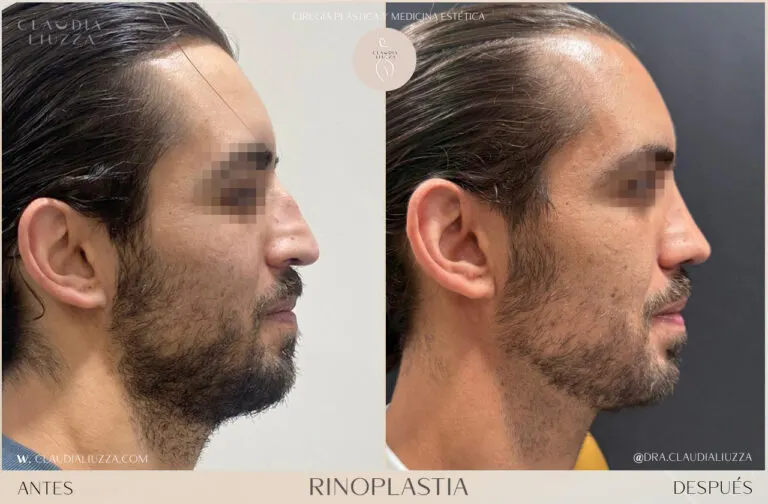
What does the procedure involve?
Otoplasty modifies the position or shape of the ear to reduce its projection or improve symmetry. The goal is for the ears to stop drawing attention without looking operated on.
When do we recommend it?
- Prominent ears.
- Visible asymmetries between the two ears.
- Long-standing aesthetic discomfort.
- Desire for a natural, stable correction.
Measured correction, not overcorrection
Planning aims for a balanced result, avoiding an ear that looks excessively pinned back or artificial.
Recovery overview
Local protection
A bandage or headband is used depending on the case and the technique applied.
Controlled swelling
Daily life usually resumes soon, while avoiding any trauma to the ears.
A cleaner result
The ears look more natural as the residual swelling subsides.
Ear surgery in Barcelona: what is corrected and how
Otoplasty (ear pinning or ear correction) treats prominent or sticking-out ears, as well as asymmetry, ears that are too large and misshapen earlobes. It does not affect hearing: only the cartilage and skin of the outer ear are involved.
Ears stick out for two reasons, often combined, and each one is corrected differently:
- Missing antihelical fold: it is recreated with internal stitches that shape the cartilage.
- Concha that is too deep: it is reduced or set back.
- Prominent or asymmetric earlobe: it is reshaped in the same operation.
The incision is behind the ear, in the crease, and cannot be seen. In adults it is usually done under local anaesthesia with sedation, and you go home the same day. Afterwards an elastic headband is worn for a few weeks, especially at night, to protect the result.
In children, the ear reaches almost its adult size at around five or six years of age, and operating before school age spares them a lot of teasing. In adults there is no age limit. If your profile also concerns you, rhinoplasty can be assessed in the same consultation.
The first consultation is free, at Av. Diagonal 399 (Eixample, Barcelona) or by video call, and the same surgeon who assesses you operates on you and sees you at follow-up.
Risks and complications of otoplasty (ear surgery)
Every operation carries risks. Most complications are uncommon and can be treated, but you have the right to know them before deciding: they are part of the informed consent you will sign with Dr. Liuzza. For otoplasty (ear surgery), the most relevant are:
- Haematoma: the most important complication in the first 48 hours; severe one-sided pain must be reported.
- Cartilage infection: rare but significant; that is why antibiotics are prescribed and the wound is monitored.
- Asymmetry: small differences in position between ears; sometimes need a touch-up.
- Partial recurrence: the ear may protrude slightly again if the sutures give way; the night headband helps prevent this.
- Keloid or hypertrophic scar: the area behind the ear is prone to it; treated with injections if it appears.
- Altered sensation: numbness or cold hypersensitivity, usually temporary.
- Overcorrection: an ear pinned too close or with unnatural folds; avoided with a conservative technique.
How we reduce these risks
A complete pre-operative work-up (blood tests and anaesthetic assessment), surgery in an authorised healthcare centre with an accredited operating theatre, meticulous surgical technique, antibiotic and anti-thrombotic prophylaxis when indicated, clear written instructions and direct follow-up by the surgeon herself at every check-up. If after surgery you notice fever, increasing pain, bleeding or sudden swelling, contact the clinic without waiting for your next appointment.